Colorado’s electric cooperatives are entering a pivotal period of transition. With coal retirements looming, capacity shortfalls on the horizon, and mounting cost pressures, many utilities are rethinking how they meet their energy needs. Tri-State’s newly approved Demand Response (DR) Program and its expanding Bring Your Own Resource (BYOR) Program are designed to offer its member utilities more flexibility. These updates follow sustained internal pressure—pressure that has already contributed to the departures or planned exits of several member utilities.
But flexibility doesn’t always mean simplicity. Both programs include new options—but also new requirements, oversight, and unanswered questions. What’s clear is this: Tri-State’s capacity outlook will change dramatically over the next five years, and the utilities that prepare now will be better positioned to manage that shift.
Energy storage offers a strategic path forward. It gives Colorado-based utilities the ability to improve resiliency and manage long-term costs for ratepayers—while also supporting the broader Tri-State system.
In this blog, we’ll explore how energy storage fits into Tri-State’s DR and BYOR frameworks, why capacity challenges are approaching, and why now is the right time to evaluate a project for your utility.
What is Energy Storage?
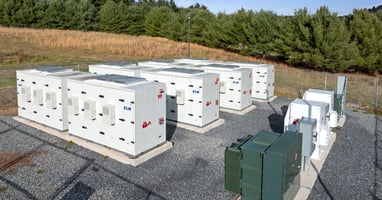
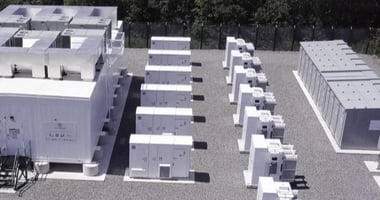
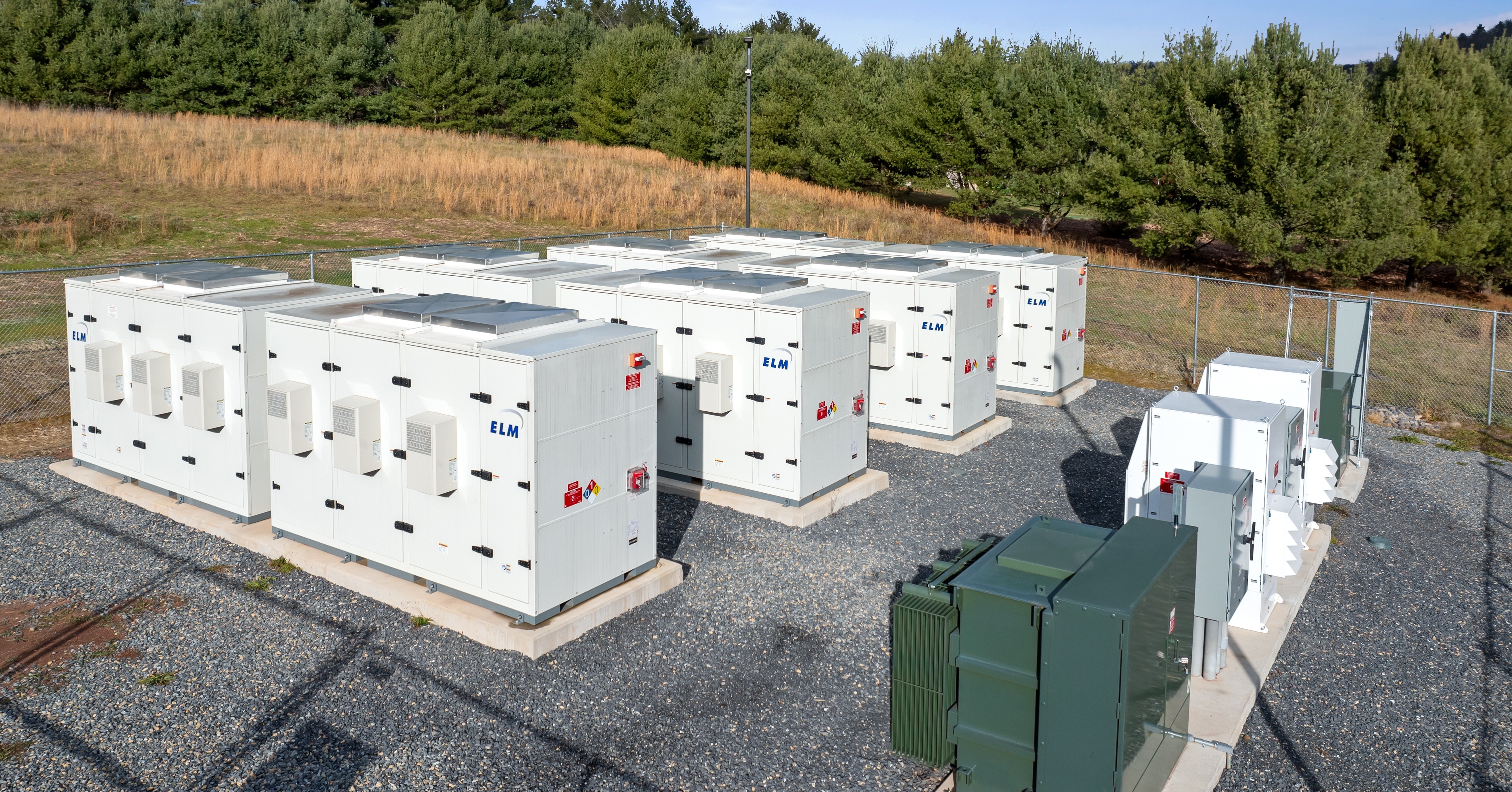
Battery energy storage systems are a proven solution to the challenges outlined above—offering Colorado utilities a practical, flexible way to enhance reliability and manage long-term costs.
Energy storage systems allow electricity to be stored—and then discharged—at the most strategic times. Today, Lithium-ion batteries, the same batteries that are used in cell phones and electric vehicles, are the most commonly used type of energy storage. Like the batteries in your cell phone, utility-scale battery storage systems can be charged with electricity from the grid, stored, and discharged when there is a deficit in supply or when energy is most expensive.
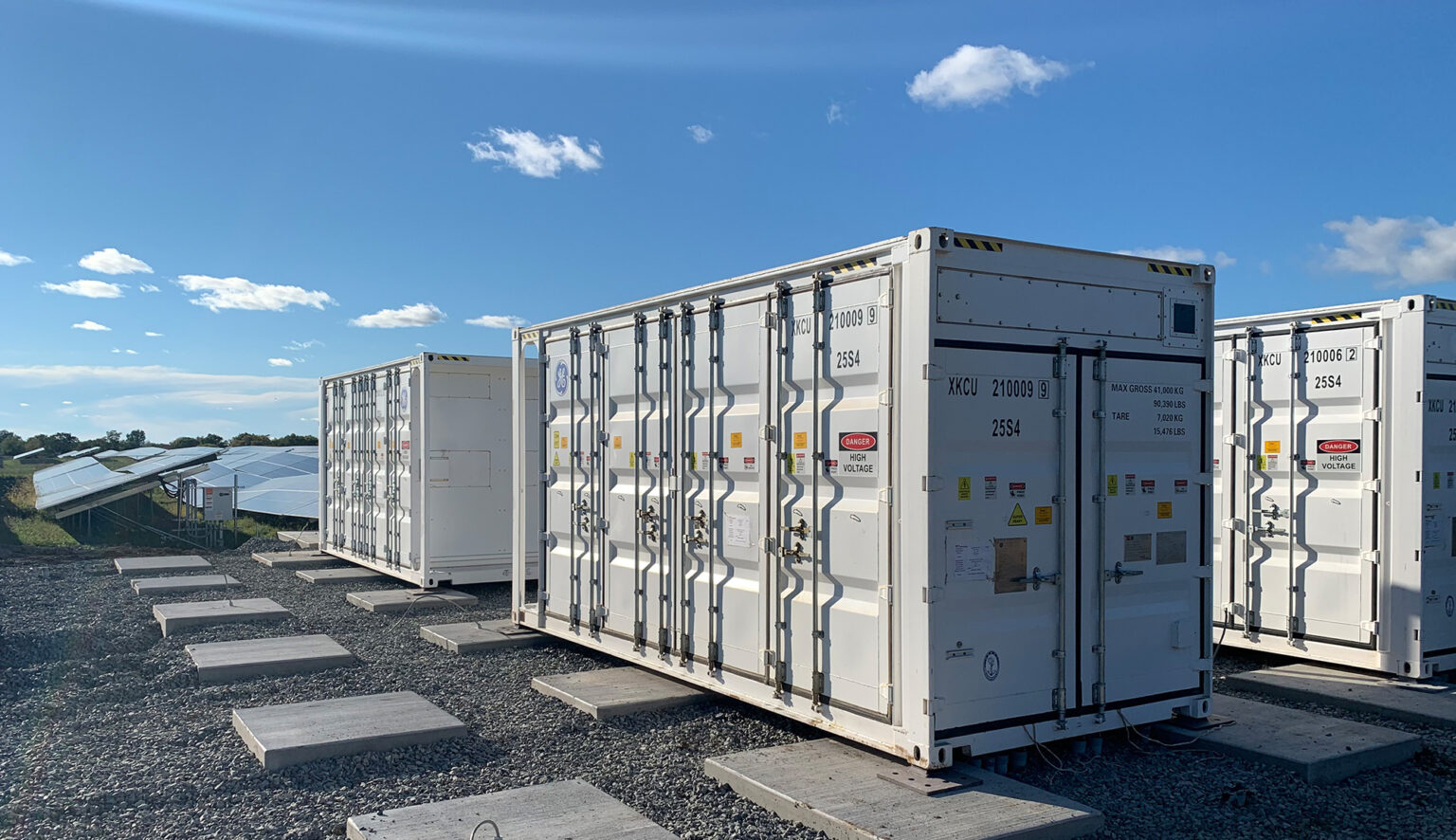
Often referred to as the “Swiss Army knife” of utility solutions, battery storage can help reduce exposure to high capacity and transmission charges, support local system reliability, and avoid costly infrastructure upgrades. When paired with solar PV (solar-plus-storage), battery systems can also store excess solar energy for evening use—maximizing the value of clean energy while protecting the grid.
A New Path to Participate: Tri-State’s Demand Response Program
Tri-State’s DR Program, approved in May 2025, includes four new demand response program options. For utilities, the most relevant is the battery energy storage component of the Member DR program (MBESS).
Under MBESS, member utilities with distribution-level battery systems may enroll their assets for grid support. Participating utilities receive $14 per kW-month for enrolled capacity, with an additional $4 per kW-month in any month when at least one DR event is dispatched.
Events can be called year-round, Monday through Saturday, and are typically expected during the afternoon and evening (e.g., noon to 10 PM). They are limited to one per day, ten per month, and 120 events per year. Tri-State will dispatch events through its DERMS platform with four hours’ advance notice, except in emergencies. Utilities may also request additional local dispatches with prior approval in order to meet their local system needs.
While other DR program options target end-use customers (irrigation, commercial loads, smart thermostats), battery storage remains the only fully dispatchable, utility-side asset in the DR portfolio.
Why Capacity Planning in Colorado Can’t Wait
Tri-State is currently resource-adequate—but only for now. With planned coal retirements at Craig (90 MW in 2025, 400 MW in 2028) and Springerville (370 MW in 2031), combined with modest annual load growth (~0.5% CAGR), Tri-State’s system is projected to need significant new capacity additions by 2032.
As part of its preferred portfolio for Phase II of its 2023 Electric Resource Plan, Tri-State has proposed a 300 MW gas peaker with hydrogen blending and a 200 MW battery storage project in Moffat County to help fill the gap created by these departing coal-fired units. Both are still pending approval.
At the same time, Tri-State aims to double its DR portfolio—growing from 67 MW in 2025 to 133 MW by 2033. This signals a broader shift toward distributed, flexible capacity resources—particularly those that can be sited at the local level and scaled with community needs.
As Tri-State navigates the coal retirements, the approval processes for a peaker plant and a battery storage system, and the shift towards distributed generation, utilities and communities should not wait for resolution—they should plan ahead themselves. We’re a little biased (we’re a battery storage developer!)—but we think a battery storage system is a great way to insulate your community against this uncertainty.
What BYOR Does (and Doesn’t) Offer
Tri-State’s BYOR program provides a pathway for member utilities to propose new power supply projects covering up to 40% of their peak load. While this sounds like a major increase from the long-standing 5% self-supply cap, it’s important to note that the original cap has not been formally changed.
All BYOR projects must be approved by Tri-State and contracted through a Flexible Supply Agreement (FSA). Through this structure, Tri-State purchases the output of the utility’s project, credits the value on the utility’s bill, and counts the project toward that utility’s load. Transmission and generation demand charges, however, remain based on gross load—not net.
BYOR does offer value—participating utilities retain Renewable Energy Credits (RECs) and gain more influence over their local supply mix—but the framework remains tightly controlled. That said, battery storage is a strong fit for BYOR. It supports peak demand reduction, enhances grid reliability, and can pair with other resources such as solar to deliver additional value.
Why Battery Storage is the Strategic Move for Colorado Utilities
For Colorado-based utilities, battery storage systems offer:
- Improved resiliency during peak demand and grid stress events
- A way to manage long-term costs associated with capacity and transmission
- Participation in Tri-State’s DR program through MBESS
- Eligibility for BYOR project proposals, with added flexibility
- Avoided or deferred infrastructure investments, especially in fast-growing service areas
In addition to growing demand within and outside of Colorado, utility-scale battery storage is increasingly aligned with the direction Tri-State is heading and a great resource for your community.
How to Get Started with Energy Storage … and Convergent Energy and Power
If you’re ready to evaluate an energy storage project, leading energy storage developer Convergent Energy and Power (Convergent) is here to help. Convergent has been in the energy storage industry since its beginnings, for nearly 15 years. Throughout that time, we’ve gained experience and expertise, working closely with utilities across North America (including Colorado) to take the hassle out of energy storage.
We’re proud to say that it has never been easier to integrate energy storage into your utility, and the time has never been better—especially in places where energy costs are rising.
Once again, as Tri-State’s system evolves, Colorado’s utilities face both complexity and opportunity. Battery energy storage offers a way to navigate that uncertainty—providing flexibility, reliability, and cost control for your utility and your ratepayers.
If you’re interested in learning more about how energy storage (with or without solar generation) can benefit your utility and community in the face of rising capacity and transmission prices, please contact us today.

VP, Business Development
647.332.6460
lkatz@convergentep.com

Lisa Katz is Vice President of Utility Origination at Convergent Energy and Power. Lisa has over 15 years of experience working closely with global and domestic businesses and utilities to reduce their energy cost and carbon footprint. Her unique blend of experience includes sales management, public policy, business strategy, marketing, and project management in diverse markets that span power generation, combined heat and power, biogas, renewable natural gas, hydrogen and environmental controls.