PJM Interconnection will need 43 gigawatts of new energy storage by 2045, according to a Brattle Group analysis commissioned by the U.S. Energy Storage Coalition.
The report cites an expected 19% increase in peak load by 2030, long lead times for new generation, and a significant backlog in PJM’s interconnection queue—all of which threaten grid reliability.
PJM’s latest capacity auction underscored how sensitive the system is to supply constraints. Prices rose to their highest level on record, reflecting tightening supply and limited new generation. The July 2025 auction cleared at $329.17 per MW-day, up 22 percent from the prior year’s auction—according to Reuters and RTO Insider.
By managing load during PJM’s five highest-demand hours, battery storage helps businesses lower future capacity costs while reducing grid stress.
Battery storage can be deployed faster than any other grid asset, providing peak-shaving, load-shifting, and demand-response capabilities that strengthen reliability now—not a decade from now.
For decision makers at data centers, battery energy storage represents the most effective way to strengthen reliability, manage energy during peak demand periods, and minimize any negative impacts from mandatory or voluntary curtailment.
Energy Storage and Data Centers: Supporting Reliability and Compliance
Energy storage systems allow electricity to be stored—and then discharged—at the most strategic times. Today, Lithium-ion batteries, the same batteries that are used in cell phones and electric vehicles, are the most commonly used type of energy storage. Like the batteries in your cell phone, industrial-scale battery energy storage systems can be charged with electricity from the grid, stored, and discharged when there is a deficit in supply or when energy is most expensive.
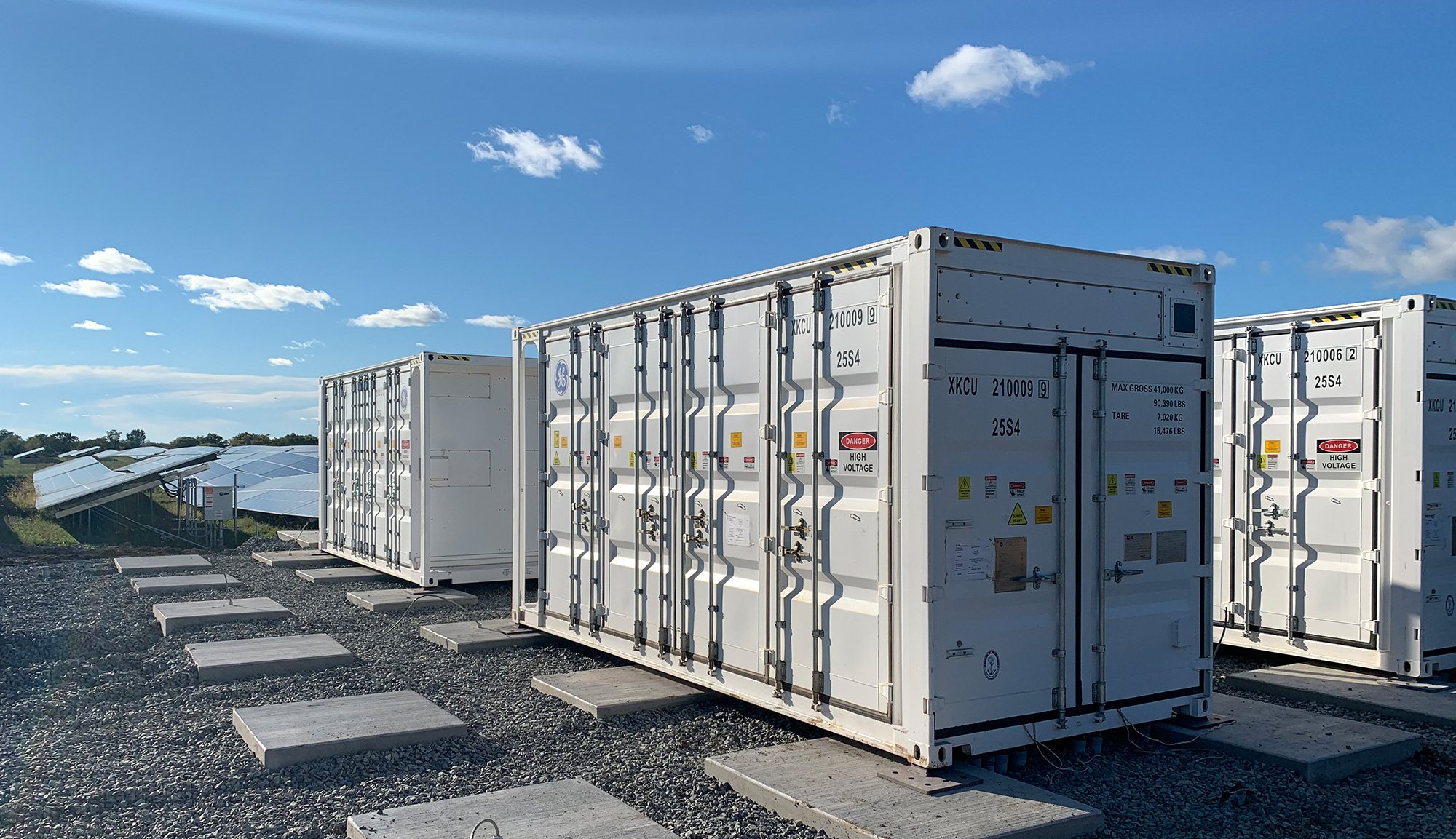
Adding a battery storage system allows your data center to:
🔓 Unlock and accelerate capacity for new developments or site expansions while easing interconnection approvals by reducing grid strain during peak demand
✅ Comply with curtailment events by relying on stored energy during grid stress to either meet curtailment obligations or transition over to backup generators
🔌 Maintain power quality and uptime through ride-through support, ramp-rate smoothing, and seamless bridging during grid outages or switchovers
💪 Enhance power performance by stabilizing nonlinear loads
⬇️ Reduce peak energy costs by storing electricity when it’s inexpensive and discharging when prices surge
💰 Pass savings to tenants or retain them internally to strengthen competitiveness
Battery storage allows facilities to store electricity and dispatch it when demand is highest, turning a potential cost into a strategic advantage. Unlike diesel backup generators, battery storage works continuously, optimizing daily energy use, not just responding to emergencies.
The Case for Acting Now
Without on-site storage, PJM’s data centers are fully exposed to:
- Rising capacity costs (up 22% YoY)
- Interconnection delays or capacity limitations due to grid congestion
- Power quality issues from voltage fluctuations or sudden grid events
- Community and regulatory scrutiny around grid strain and emissions
Battery storage changes the equation by giving operators control over when and how they use grid power—without sacrificing five-nines commitments or tenant satisfaction.
Further, waiting too long can mean higher costs, longer timelines, and reduced flexibility to meet compliance requirements or secure optimal interconnection terms. Data centers that act now will be positioned to lock in savings before battery prices rise as a result of FEOC, ensure operational readiness, and avoid getting caught in the next wave of grid congestion.
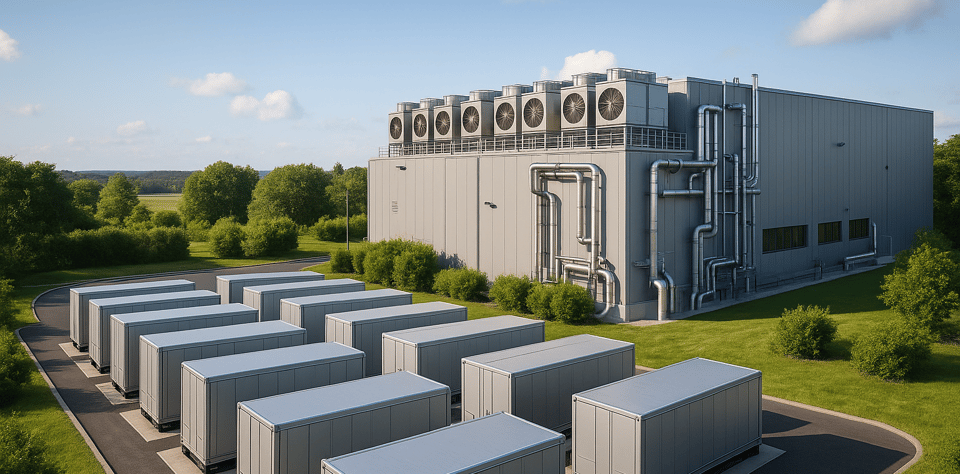
Types of Battery Storage Partnership Models
Every data center has unique energy and reliability needs, but all share the same requirement: continuous, uninterrupted operations. Battery storage systems are designed to integrate seamlessly with existing infrastructure, delivering energy savings and resilience without disrupting day-to-day performance.
Data centers can choose the battery storage contract model that best fits their financial and operational goals.
1. Lease Model
The battery storage system is owned and operated by a third party -who pays you a fixed monthly price to site a battery on your site. Your facility retains all savings and benefits from lower energy costs and improved reliability without capital investment, maintenance responsibilities, or operational impact.
2. Shared Savings Model
Similar to the lease model, the battery is owned and operated by a third party, with whom you share the savings the battery generates. In this model, value is typically fully passed or at least partially passed to your tenants, aimed at improving tenant satisfaction and retention.
3. Tolling Agreement
Your team manages the battery storage system and determines how and when stored energy is used, capturing full financial and operational value while maintaining uptime and system stability. Oftentimes, tolling agreements are favored by data centers looking to gain capacity from utilities and grid providers.
All three approaches can be customized to align with your site’s specific priorities and long-term energy strategy.
Convergent Energy and Power: Proven Battery Storage Expertise
PJM early adopters of battery storage will be best positioned to capture both economic and reliability benefits relative to their peers.
Now is the time for PJM data centers to capitalize on the challenges facing the electric grid in PJM and take control of their energy future—and energy costs.
For over a decade, Convergent Energy and Power (Convergent) has gained deep expertise by working closely with industrial businesses to take the hassle out of on-site renewable solutions by building, owning, and operating systems on our customers’ behalf. We’ve been developing battery storage systems for ~15 years, and have been around as long as the battery storage sector itself.
If you’re looking to future-proof your facility with an on-site battery storage system, schedule a free, no-obligation introductory call with our team today.
-1.jpeg?height=200&name=Orange-County-2-Side-View-scaled%20(1)-1.jpeg)